Personification Activities for Kids
Personification gives an action, feeling, or voice associated with a person to an animal, object, place, or idea. A clock can “complain,” the moon can “watch,” and an old house can “welcome” guests. Personification for Kids: Word Examples and Activities helps children recognise English and create examples. Younger learners can start with familiar nouns and verbs. Older learners can explore mood, imagery, and meaning. Instead of memorising a definition, children can notice what the subject does and ask, “Could a person do that?”
What Personification Means
In “The wind shook the window,” the wind causes real movement, so the language may be literal. In “The wind knocked angrily at the window,” knocked angrily suggests deliberate intent and emotion. The second sentence uses personification.
Children can ask two questions: “Is the subject an animal, object, place, or idea?” and “Has it received an action, thought, feeling, or voice associated with a person?” Both answers should be yes. A talking fox, jealous sun, and road that invites travellers pass the test.
Personification for Kids: Word Examples and Activities works when children explain each choice. “The candle danced because its flame moved from side to side” demonstrates language knowledge and understanding.
Core Words and Phrase Patterns
Personification often starts with a concrete noun: sun, moon, wind, rain, cloud, tree, river, sea, door, clock, book, car, or house. Children add a verb associated with people, such as smile, whisper, stare, dance, grumble, argue, hug, chase, beg, warn, greet, or refuse. Personification for Kids: Word Examples and Activities pairs words children can picture.
Sentence frames include “The ___ whispered…,” “The ___ refused to…,” “The ___ welcomed…,” and “The ___ watched as….” Emotion words add depth: lonely, proud, impatient, cheerful, nervous, stubborn, and sleepy. Each word should fit the scene.
The personified versions suggest mood or attitude, not only movement or sound. Ask whether each subject seems friendly, cross, calm, or impatient and which word creates that impression.
Examples in Stories and Everyday Scenes
Start with familiar scenes. At breakfast, “The toast jumped from the toaster” makes movement lively. On a walk, “The puddles waited for our boots” gives puddles an amusing purpose. At bedtime, “The pillow called my name” suggests tiredness without stating, “I was tired.”
Personification shapes story mood. “The trees guarded the path” can make a forest feel safe or threatening, depending on nearby words. “The empty swing sighed in the wind” creates a quiet, sad scene. Ask what feeling the sentence creates before discussing grammar.
Multilingual children can compare descriptions of weather, time, and nature across languages. Wording may differ, but the question remains: has an animal, object, place, or idea been described as if it could act, feel, think, or speak like a person?
Activities for Different Ages
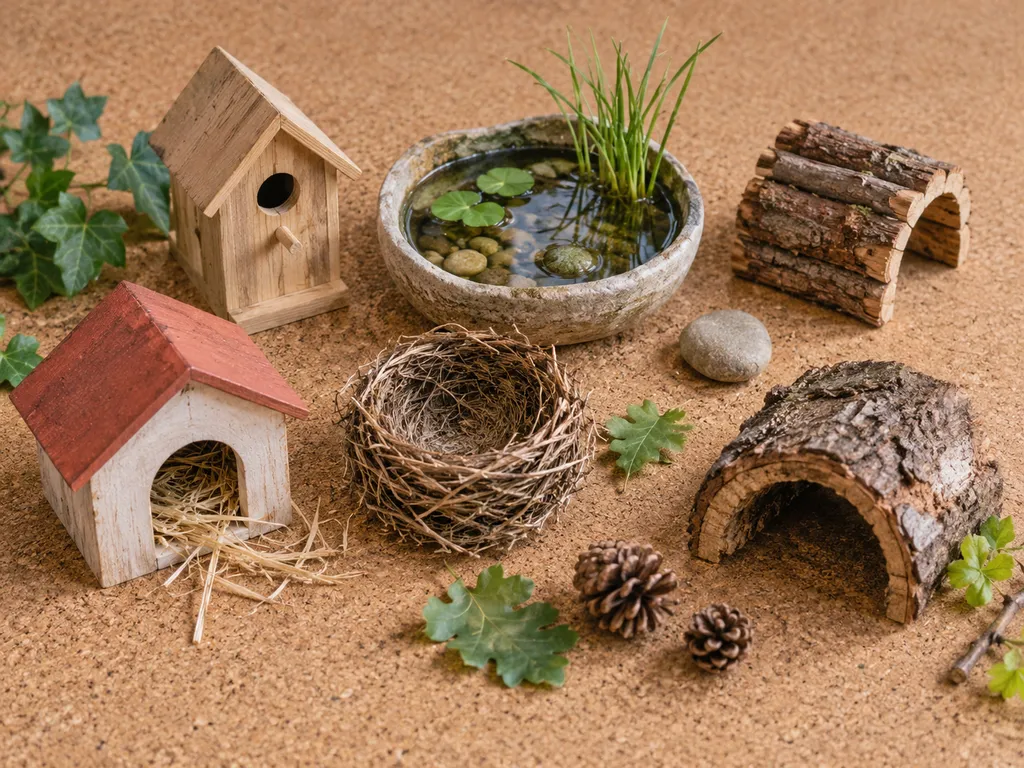
For school-age kids, place five familiar objects on a table. Your child chooses an object and a human action: “The pencil raced,” “The cup listened,” or “The shoe yawned.” Welcome playful ideas, then request a reason. Drawing the sentence can explain its meaning without a long grammar talk.
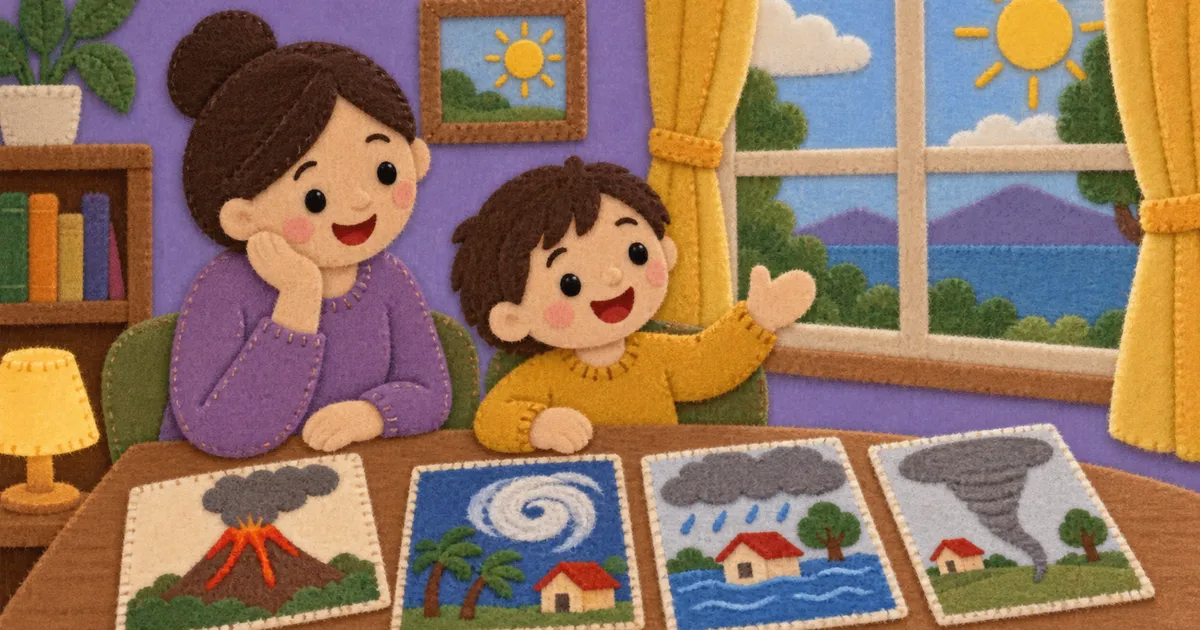
Use a weather picture or window view. Ask your child to write three versions of the scene: cheerful, frightening, and peaceful. The cloud might giggle, threaten, or rest. Compare two descriptions and discuss how each verb changes the tone.
Personification for Kids: Word Examples and Activities can guide short work with LearnLink tutors. A tutor can model a sentence, invite the learner to change one word, then request an original example and explanation.
Short Practice Ideas
Keep practice focused. Read one sentence, identify the subject that is not a person, circle the word giving it a person-like quality, and explain the resulting image. Then reverse the task: provide a noun and mood, such as river + impatient, and request a sentence showing both.
Try the Personification Challenge
Complete these sentences: “The alarm clock ___ at me.” “The stars ___ above the town.” “My backpack ___ when I added another book.” Choose one answer and replace its verb to create a different mood. Explain which version sounds happier, calmer, or more dramatic.
Revisit the sentences a day later and ask your child to improve one verb. This recall task reveals whether the pattern has become usable language instead of a briefly remembered rule.
Correcting Common Mistakes
The first mistake is treating every lively verb as personification. “The dog ran to the gate” is literal because dogs can run. “The dog complained about the rain” may personify the dog if complained implies human speech or reasoning. Check what the subject can truly do.
A second mistake is confusing personification with a simile. “The moon was like a lamp” compares two things using like. “The moon watched over the village” gives the moon an action associated with people. Both create imagery through different methods.
Children may overload a sentence: “The angry, jealous, grumpy storm screamed, kicked, argued, and cried.” Ask them to select one or two details matching the intended mood. “The storm hammered at the door” is easier to picture and discuss.
- Try asking your six-year-old to identify personification in one picture book.
- Practice replacing three plain sentences with actions associated with people for objects together.
- Use a two-column chart to separate personification from ordinary description.
- Correct examples that merely compare objects, explaining that personification gives objects traits usually associated with people.
- Review four sentences aloud, then let your child explain each correction.
For the rule wording, British Council LearnEnglish Kids is a useful reference while the practice examples here stay adapted for children.
Frequently Asked Questions
What Is a Simple Definition of Personification for a Child?
Personification makes an animal, object, place, or idea seem like a person by giving it an action, feeling, thought, or voice associated with people. “The flowers nodded” is an example because flowers cannot truly nod like people, though their movement may look similar.
At What Age Can Children Learn Personification?
Children can encounter personification from about age five through stories, pictures, and spoken sentences. They need not learn the technical term immediately. Older children can name the device, explain its effect, compare it with similes and metaphors, and control mood in their writing.
How Can I Practise Personification Without Worksheets?
Use objects and scenes around your home. Ask what the kettle, door, moon, rain, or family car might say or feel. Your child can write one sentence, act it out, or draw it. During shared reading, pause at a vivid sentence and identify the word giving its subject a person-like quality.
What Should My Child Learn from These Examples and Activities?
Personification for Kids: Word Examples and Activities should help your child identify the subject, find its human quality, and explain the image or mood created. Next comes independent use: choosing a fitting verb and writing a precise sentence. Accurate explanation matters more than producing numerous examples.
- Start by naming the object, animal, place, or idea being described.
- Practice finding the action, feeling, thought, or voice it has been given.
- Try writing one original sentence, then explain the mood or image it creates.
Start your child's English journey today — book a trial lesson with LearnLink.
Stay updated on our latest tips and resources by following us on Instagram LearnLink.